
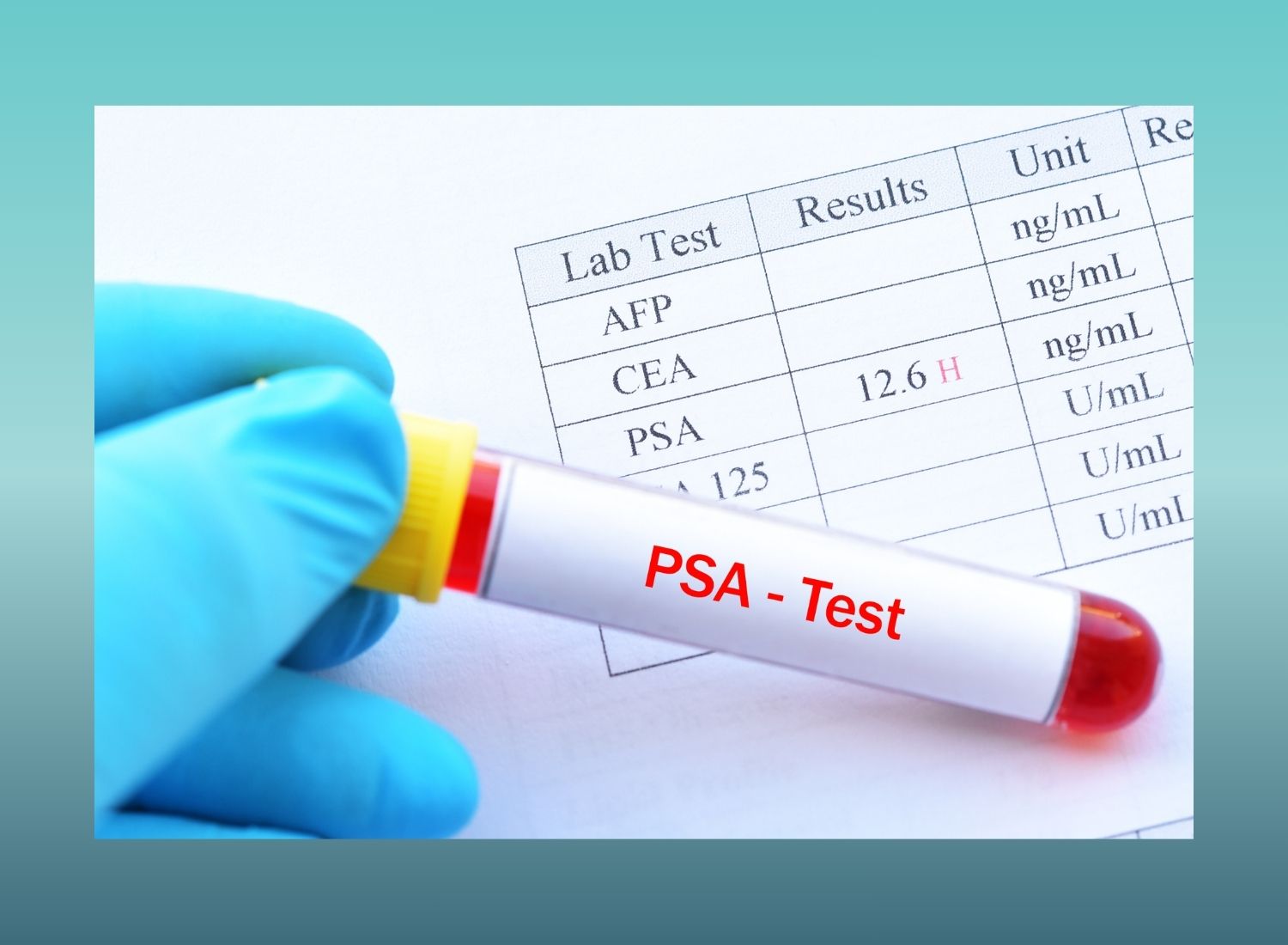
Prostate health is an important topic for men, especially as they get older. One key checkup you might hear about is the PSA test, a simple blood test that helps detect potential prostate issues early. PSA stands for Prostate-Specific Antigen, which is a protein produced by the cells of the prostate gland (both normal cells and cancerous ones). PSA is mostly found in semen, and normally only a small amount enters the bloodstream. In this article, we’ll explain what PSA is and why it matters, what the PSA test is used for, what the results (PSA values) mean – for example, what PSA level might indicate a risk of cancer – and who should consider getting tested. Our goal is to give you clear, easy-to-understand information about PSA so you can make informed decisions about your health.
What Is PSA and Why Is It Important?
PSA is a substance (protein) made by the prostate gland. The prostate’s main job is to produce fluid for semen, so most PSA is in semen and only trace amounts circulate in the blood under normal conditions. When the prostate is enlarged, inflamed, or affected by cancer, it can release more PSA into the bloodstream, causing the PSA level in a blood test to rise. In other words, a higher PSA can be a sign that something is going on with the prostate. Importantly, PSA is produced by both healthy prostate tissue and prostate tumors, so it is not exclusively a cancer marker. PSA is simply an indicator of prostate activity – levels tend to go up if there’s a problem with the prostate, but what the problem is (cancer or a benign condition) isn’t determined by PSA alone.
One key thing to remember is that PSA levels can be elevated for reasons other than cancer. For example, a benign enlarged prostate (a common condition called BPH) or a prostate infection/inflammation (prostatitis) can raise PSA levels as well. Even normal aging can cause PSA to rise gradually. So, an elevated PSA doesn’t always mean cancer – it’s a warning sign that doctors use to decide if further investigation is needed.
What Is the PSA Test Used For?
The PSA test is a simple blood test primarily used to screen for prostate cancer in its early stages. Screening means checking for a disease before you have symptoms. By measuring how much PSA is in your blood, doctors can get a clue about your prostate’s health. If PSA levels are higher than expected, it could indicate a prostate issue, including the possibility of cancer, that might warrant additional tests or closer monitoring.
Aside from screening, the PSA test is also used for men who have already been diagnosed with prostate cancer. In those cases, doctors use PSA blood tests to monitor treatment effectiveness or to check for recurrence (the cancer coming back) after treatment. A rising PSA in a treated patient might prompt further evaluation. In summary, the PSA test’s main uses are:
- Monitoring: Keep track of prostate health over time, especially in men with a history of prostate cancer or prostate treatments.
- Screening/Early detection: Catch potential prostate cancer early, before symptoms appear.
Understanding PSA values levels and What They Mean
When you take a PSA test, your result comes as a number – the PSA level in your blood. PSA is measured in nanograms per milliliter (ng/mL). Generally, the higher the number, the greater the chance that there may be an issue with the prostate. However, there is no single “magic” PSA value that definitively indicates cancer or guarantees you’re cancer-free – PSA results have to be interpreted in context. Doctors often use certain reference ranges or cutoff values to guide next steps. Here is a rough breakdown of PSA levels and what they might mean for most men:
- PSA below 4 ng/mL: This is often considered the normal range for PSA. Most healthy men without prostate cancer will have PSA levels under about 4 ng/mL.
- PSA between 4 and 10 ng/mL: This level is sometimes called “borderline” or slightly elevated. It doesn’t automatically mean cancer, but it does raise suspicion. Statistically, about 1 in 4 men (25%) with a PSA in this range could have prostate cancer upon further testing. The majority (75%) will not have cancer, but might have other prostate conditions.
- PSA above 10 ng/mL: A PSA level over 10 ng/mL is considered high and significantly increases concern. In fact, the chances of finding prostate cancer in men with PSA this high are over 50% (more than half). Generally, the higher the PSA climbs above 10, the more likely it is that cancer could be present.
These values are guidelines, not hard rules. It’s crucial to note that PSA is not a perfect test. For example, some men with PSA below 4 ng/mL have been found to have prostate cancer (one study showed about 15% of men with “normal” PSA levels <4 actually had cancer on biopsy). Conversely, many men with elevated PSA do not have cancer, but rather have benign prostate enlargement or other conditions. PSA is one piece of the puzzle. Doctors will often recheck levels, assess how quickly PSA is rising over time, or order additional tests (such as a free PSA percentage or imaging) before recommending an invasive procedure like a biopsy.
Bottom line: There is no single PSA value that guarantees cancer or guarantees you’re in the clear. PSA levels are a continuum – the higher the level, the higher the probability of cancer, but it’s not certain until further evaluation. That’s why communicating with your doctor about your PSA results is important. They will interpret the number in the context of your age, history, and other factors.
Who Should Consider a PSA Test?
You might be wondering when you should get a PSA test. Guidelines vary, but here are some common recommendations and considerations for men regarding PSA screening:
- Age 50 or older: Men aged 50 or older are often advised to discuss PSA screening with their healthcare provider as part of routine health maintenance. Prostate cancer risk increases with age, and many doctors suggest starting PSA checks around this age for average-risk individuals.
- Earlier screening for higher-risk groups: If you have certain risk factors, you might consider starting PSA testing earlier (around age 45, or even 40 in some cases). High-risk factors include having a family history of prostate cancer (especially a father or brother who had it at a relatively young age). Always tailor the decision to your personal risk – it’s a good topic to discuss with your doctor.
- Presence of symptoms: Regardless of age, if you have urinary or prostate-related symptoms, you should consider getting your PSA level checked (and definitely see a doctor for evaluation). Symptoms that could be related to prostate issues include:
- Frequent urination or an urgent need to urinate (especially waking up at night to go often)
- Difficulty or pain when urinating (a weak stream, burning sensation, etc.)
- Blood in the urine (this is never normal and should be investigated)
- Persistent pain or stiffness in the lower back, hips, or pelvic area
These symptoms do not mean you have cancer – they are often caused by benign prostate enlargement or other conditions. However, they warrant a checkup. A PSA test, along with a physical exam (and possibly other tests like an ultrasound), can help identify if the prostate is the source of the problem.
In short, men over 50 should have a conversation about PSA testing, and younger men with risk factors or symptoms should also consider it. The decision to screen is personal and should take into account your health status and preferences. PSA testing is generally not recommended for very elderly men or those with serious health issues unrelated to the prostate (since prostate cancer often grows slowly), but for healthy men in the target age ranges, it can be a useful tool for early detection. When in doubt, talk to a healthcare provider about the pros and cons of PSA screening in your specific case.
PSA Testing Made Easy with SaludyVos
If you decide to check your PSA, the good news is that getting a PSA test is straightforward – it’s just a quick blood draw from your arm. You don’t even need to fast or do special preparation for a PSA test. Traditionally, you would get this test at a clinic or laboratory, but services like SaludyVos make it even more convenient by bringing the test to you.
SaludyVos offers at-home lab testing services (including the PSA test) in the Buenos Aires area. You can simply book your PSA test online, and a certified nurse will come to your home at the scheduled time. The sample collection is done at your doorstep – no travel, no waiting rooms, no hassle. After the quick blood draw, you’ll receive your results securely and directly from our partner laboratory in a timely manner. This means you can find out your PSA level from the comfort of your home and then consult with your doctor about the results, all with minimal disruption to your schedule.
Conclusion: Your Health in Your Hands
Don’t ignore your prostate health. If you’re at an age or risk level where a PSA test is recommended – or if you’re simply curious for peace of mind – consider getting tested. Thanks to services like SaludyVos, checking your PSA is simple and accessible. Knowing your PSA levels can either reassure you or prompt you to get early treatment if something is wrong. In either case, you’re empowering yourself to stay healthy. Stay informed, speak with your doctor about any concerns, and remember that early detection is key to better outcomes when it comes to prostate health. Your future self will thank you for being proactive today.