
Getting a urine test is a simple procedure, although many people wonder, “How do I collect urine for a test?” If you have this question, don’t worry: in this article, we explain everything you need to know to do it correctly and safely.
Taking a urine test is straightforward but essential for evaluating overall health and detecting or monitoring various disorders and conditions, such as urinary tract infections, kidney problems, or diabetes-related issues. For accurate results, it is very important that the sample is collected properly. In this guide, we walk you through the process step by step: from where to get a sterile container to the ideal timing for collection and hygiene recommendations that make a difference, ensuring a reliable result useful for your doctor.
What Urine Contains and What Tests Look For
A urine test allows the doctor to observe physical, chemical, and microscopic aspects of the sample. Proper collection can reveal signs of infection, the presence of proteins, sugar, blood, or other substances that help in diagnosing or monitoring health conditions. Even though it is a routine procedure, following the instructions ensures that the results accurately reflect your health status.
Where to Get a Sterile Container
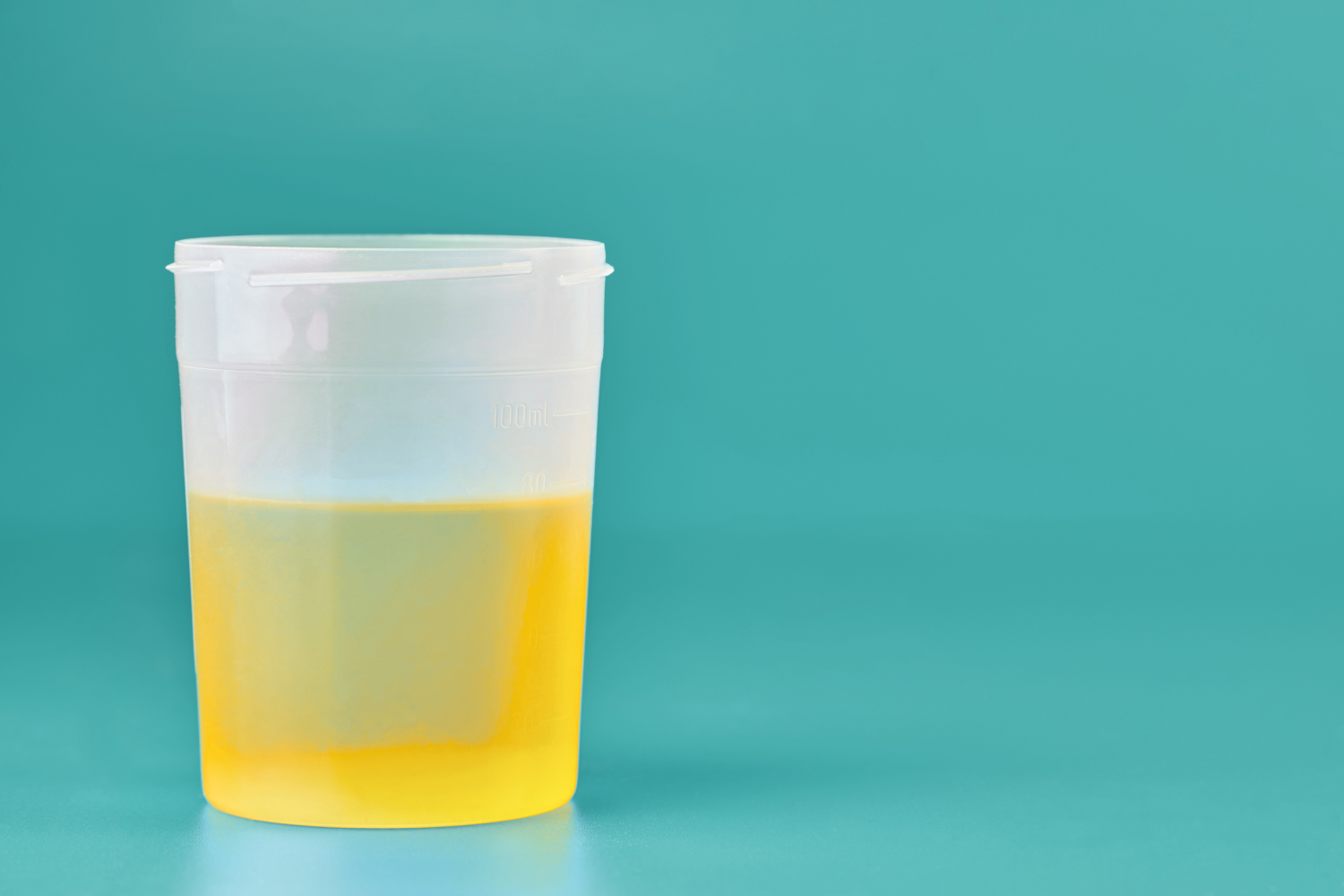
The first step is to have the right container. These containers are usually available at pharmacies, and it’s recommended to have one at home so you don’t have to worry about getting it a few days before the test (make sure to check the expiration date). Containers should be sterile, wide-mouthed, and have a screw cap to prevent leaks or contamination. Do not reuse household containers or medication bottles, as they can affect the results. If you are in Buenos Aires, you can get one from popular pharmacies like Farmacity, etc. for close to $1.000 ARS.
How Full Should the Container Be
It is not necessary to fill it to the top: filling it just over halfway is enough for the laboratory to perform all required tests. Avoid overfilling to reduce the risk of spills and contamination during transport.
Best Time to Collect the Sample
The first urine of the morning is the most recommended because it is more concentrated after several hours in the bladder, providing more reliable results. If this is not possible, it is advised to collect the sample at least 3 to 4 hours after the last urination. In urgent cases, the doctor may accept a sample at another time, as long as the urine has been retained for a few hours.
It is important to avoid collecting urine immediately after drinking large amounts of liquids, as this can dilute the sample and affect the results.
How to Collect the Sample Correctly
Before starting, wash your hands thoroughly and perform careful hygiene of the genital area with mild soap and water, rinsing and drying with a clean towel or disposable paper. This step is essential to avoid contamination from bacteria on the external skin.
The recommended method is the midstream technique. To do it safely and comfortably:
- Begin urinating into the toilet and discard the first few seconds.
- Without stopping, bring the sterile container into the stream and collect only the middle portion of urine, enough to fill slightly more than half of the container (do not fill to the top to prevent spills).
- Once the required amount is collected, finish urinating in the toilet.
For women, separate the labia when urinating; for men, retract the foreskin to expose the glans. In all cases, avoid letting the container touch the skin and close the lid tightly immediately afterward.
Special Instructions
- Children with bladder control: Place the sterile container in a clean potty and then remove it, cleaning the outside carefully to avoid contaminating the inside.
- Infants or children without bladder control: Use collection bags attached to the genital area. The skin must be clean and dry. If the sample is not obtained within 30 minutes, the bag should be replaced. Once collected, pour the urine into a sterile container.
Storage and Delivery of the Sample
Ideally, take the sample to the laboratory within 2 hours of collection. If not possible, store it in the refrigerator (never the freezer) and deliver it within a maximum of 4 hours. Always label the container with your name, surname, and the time of collection; this helps laboratory staff and optimizes the analysis process.
Useful Tips
If your bladder is empty and you need to collect a sample, you can drink a small amount of water, but avoid overdoing it, as excess liquid can dilute the urine. Staying calm and following each step with proper hygiene is the best way to ensure a reliable result.
Tests That Require a Urine Sample
This procedure is used in different tests, such as our full body checkup – complete package, routine urine analysis, urine cultures, glucose tests, protein tests, and many more. Each provides valuable information about your health and, in some cases, helps monitor disease progression or response to treatment.
Conclusion
Collecting a urine sample correctly is simple but requires attention to hygiene, timing, and how to store it until delivery to the laboratory. Following these instructions ensures more reliable results, allowing your doctor to make decisions confidently with precise information.
At SaludyVos, we guide you through every step of the process. Schedule your test at our laboratories in Buenos Aires to ensure your studies are performed safely, quickly, and reliably.