
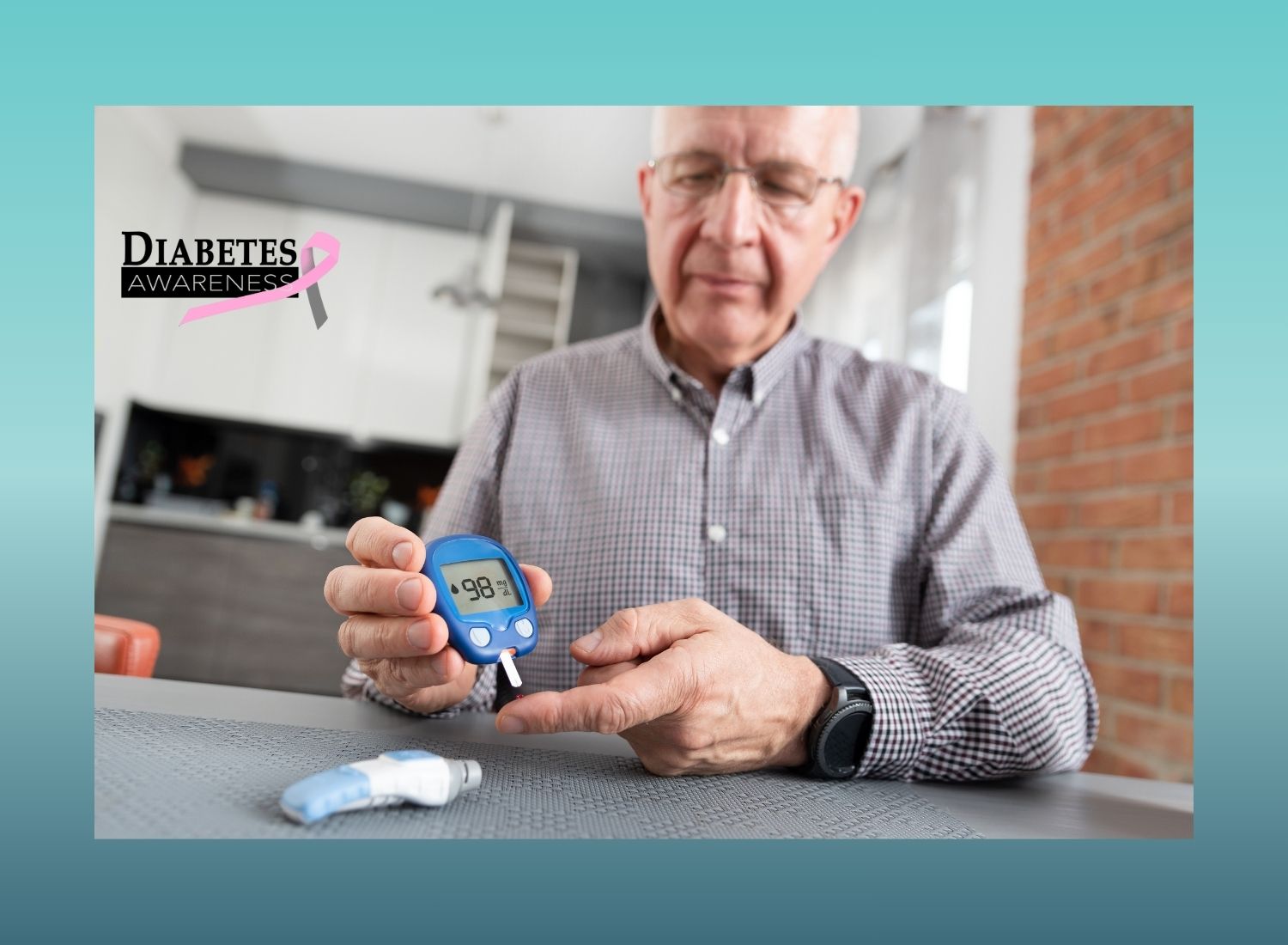
The First Step in Detecting Diabetes
Diabetes is a chronic condition characterized by an increase in blood glucose (sugar) levels, caused by the body’s inability to produce enough insulin or use it effectively. Over time, this excess glucose can damage various organs and systems, but detecting it early allows proper control and helps prevent complications.
Many people live with diabetes without knowing it. In Argentina, it is estimated that around 12% of the population has diabetes, but only about 60% of them have a confirmed diagnosis. This means that thousands of people may have elevated glucose levels without realizing it, increasing their long-term risk of complications.
The good news is that detection is simple and all it takes is a blood test. Through this test, key parameters such as fasting glucose, glycated hemoglobin (HbA1c), and the lipid profile can be evaluated, all of which are essential indicators for diagnosing or monitoring diabetes.
Clinical guidelines recommend having one or two tests per year to maintain adequate follow-up.
With SaludyVos, you can perform these tests from the comfort of your home, without a doctor’s order, and with results available online. If you’re looking for a reliable blood testing service near you that adapts to your routine, SaludyVos offers a convenient, fast, and safe alternative.
What Are Fasting Glucose and Glycated Hemoglobin (HbA1c)?
When a doctor orders a blood test to evaluate glucose, two types of results may appear: fasting glucose and glycated hemoglobin (HbA1c). Both indicate how the body manages blood sugar, but they provide different and complementary information.
Fasting glucose measures the blood sugar level at a specific moment after at least eight hours without eating. It’s the most common test to detect early alterations in sugar metabolism.
Glycated hemoglobin (HbA1c), on the other hand, reflects the average blood glucose level over the past three months, since it shows the percentage of hemoglobin (a protein in red blood cells) bound to glucose. For this reason, it’s a key tool for diagnosing and monitoring both prediabetes and diabetes, helping assess whether glucose levels remain stable over time.
The main difference between the two tests is that fasting glucose may fluctuate depending on the day or recent meals, whereas HbA1c provides a more stable and comprehensive view of metabolic control.
Knowing the normal values of HbA1c is essential to correctly interpret results and detect any abnormality in time.
| HbA1c Result | Interpretation |
|---|---|
| Less than 5.7% | Normal |
| 5.7% to 6.4% | Prediabetes |
| 6.5% or higher | Diabetes |
Interpretation of results:
- Less than 5.7% (Normal): Glucose levels are within a healthy range. It’s important to maintain balanced eating habits, regular physical activity, and periodic checkups.
- Between 5.7% and 6.4% (Prediabetes): Indicates blood sugar levels are higher than normal, though not yet in the diabetic range. At this stage, lifestyle changes can reverse the condition and prevent disease progression.
- 6.5% or higher (Diabetes): Suggests a diabetes diagnosis, which should be confirmed with additional tests and a medical evaluation. Proper follow-up and regular glucose monitoring help avoid complications.
If your results are elevated, don’t panic, the most important thing is to consult a healthcare professional for guidance. Often, small adjustments in diet, physical activity, or medication can make a big difference in metabolic control.
Other Blood Tests for a Comprehensive Health Evaluation
Beyond glucose and HbA1c, other blood tests are highly useful for assessing overall health, especially in people with diabetes, prediabetes, or those at risk of developing it. These tests provide a broader picture of how the body is functioning and help detect metabolic or cardiovascular imbalances early.
The most important ones include:
- Complete blood count (CBC): Evaluates red and white blood cells and platelets. It helps detect anemia, infections, or other conditions that may affect overall well-being.
- Vitamin D: Low levels are associated with insulin resistance, higher risk of type 2 diabetes, and immune system dysfunction.
- Comprehensive metabolic panel: Includes fasting glucose, electrolytes, liver function, and complete kidney function tests. It’s one of the most requested studies to assess the body’s internal balance.
- Lipid profile: Measures total cholesterol, HDL, LDL, and triglycerides. Keeping these values within normal limits is essential to reduce cardiovascular risk.
In addition to lab work, it’s crucial to regularly monitor blood pressure, as hypertension often occurs alongside diabetes or prediabetes, increasing the risk of complications if not properly managed.
Performing these tests periodically, along with appropriate medical follow-up, allows a comprehensive view of health and helps detect risk factors before symptoms appear.
Where to Get These Tests
If you live in Buenos Aires and need a blood test, there are multiple clinical laboratories available throughout the city. In our article “Everything You Need to Know: How to Get a Laboratory Test in Buenos Aires”, we explain in detail how to find the nearest lab, what tests you can request, and what to keep in mind before going.
Another recommended read is “Blood tests in Buenos Aires with home collection” where we describe different lab options, the main tests available for home service, and how to easily book an appointment online. In connection with this, SaludyVos provides a practical and safe solution for at-home blood collection. The platform allows you to schedule your service easily, with clear and transparent pricing, and manages the collection through certified and trusted laboratories. This service combines convenience, speed, and reliability, allowing you to perform regular checkups without leaving your home.
Moreover, for most tests, no doctor’s order is required. Simply select the analysis or package you need (for example, fasting glucose, HbA1c, vitamin D, complete blood count, or comprehensive metabolic panel) and book your appointment.
If you’re looking for a blood test service that fits your lifestyle, SaludyVos is an ideal option for those seeking a personalized and accessible experience.
Comprehensive Care for People with Diabetes: Beyond the Tests
So far, we’ve discussed how to detect diabetes and the importance of blood tests for monitoring glucose and HbA1c levels. But for those already diagnosed (especially insulin users) care doesn’t end with lab results. It’s essential to learn how to manage the condition safely and responsibly every day.
For Spanish speakers, we recommend visiting “La Salud Ayer y Hoy – Aprovechando el espacio” and listening to the radio program “Vivir con Diabetes” (FM Otras Voces), which provides practical and complementary information on specific care for insulin-dependent patients, including:
- The importance of individualized treatment
- Proper insulin storage
- Responsible use and disposal of needles
Incorporating these practices into your regular follow-up helps you maintain comprehensive diabetes control, linking early detection with safe disease management and complication prevention.
Conclusion: Your Health in Your Hands
Detecting diabetes early is the first step to protecting your health. Regular testing such as fasting glucose and HbA1c, allows you to identify prediabetes or diabetes early and make informed decisions about your care.
However, diabetes management goes beyond lab tests. Maintaining an integrated view of health means assessing other parameters such as the metabolic profile, complete blood count, lipid profile, vitamin D, and kidney function, as well as monitoring blood pressure. For those using insulin, it’s essential to follow specific care practices, including individualized treatment, proper insulin storage, and responsible needle disposal.
To make this process easier, SaludyVos offers at-home blood testing, providing a comfortable, fast, and secure option, without requiring a doctor’s order for most studies. From your home, you can monitor glucose, HbA1c, and other essential parameters, compare them with normal values, and maintain consistent health tracking.
Making informed decisions and performing regular checkups not only helps prevent complications but also enables you to live with greater peace of mind and confidence. Remember: knowing your numbers is the first step toward better self-care.